4.8 · 100+ Google Reviews
· Mon–Fri 9AM–5PM EST
Get A Proposal

Legal Marketing Services That Win Cases

Stop Paying for Marketing That Doesn't Bring Cases
Most attorneys we talk to have already tried at least one agency. They paid for months of work, saw little movement, and couldn’t get a straight answer. We built our entire model around fixing that — no contracts, one dedicated account manager, and legal marketing services focused on signed cases, not vanity metrics.
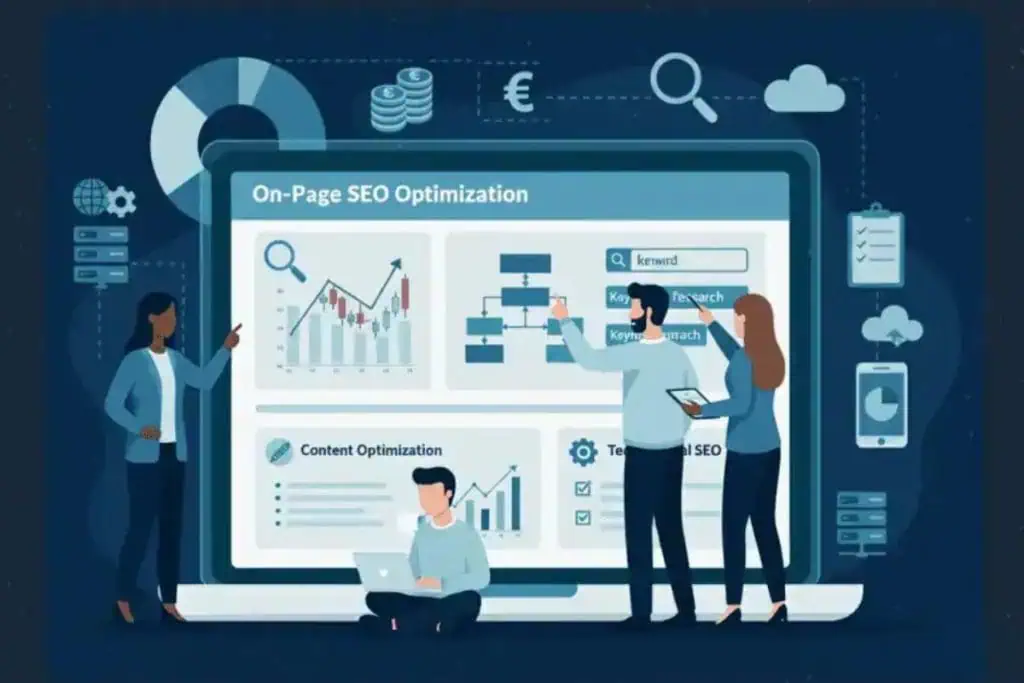
Illustration of four people analyzing on-page SEO optimization data on a large screen, with graphs, charts, search bars, and icons representing digital marketing, content, and technical SEO in the background.
Legal Long Island

What Makes Hozio Different

No Contracts, Ever

We work week to week. If the results aren't there, you can stop — no penalties, no awkward exit conversations, no fine print.

2024 Inc. 5000 Honoree

Recognized as one of America's fastest-growing private companies — a third-party signal that our model actually works at scale.

One Dedicated Account Manager

You get one person who knows your firm, your goals, and your market — not a rotating team that makes you re-explain everything each call.

Digital Marketing for Law Firms
Legal Clients Are Searching — Are You Showing Up?
About 70% of legal consumers research attorneys online before ever picking up the phone. That means your digital presence isn’t a nice-to-have — it’s the first impression your firm makes on someone who’s already decided they need help. We offer a full stack of legal marketing services: SEO, PPC, web design, content, reputation management, Google Business Profile management, and Yelp management — all under one roof, with one team accountable for the full picture. No fragmented vendors. No one pointing fingers at someone else when the leads dry up. Whether you’re a solo practitioner or a multi-attorney firm, the goal is the same: more qualified inquiries, better intake conversion, and a digital presence that reflects the firm you’ve built.

Ready to Rank Higher and Grow?

Legal SEO and PPC Management

The Channel Question Attorneys Ask Us Most

SEO or PPC? It’s the first thing most attorneys want to know, and the honest answer is: it depends on where your firm is right now and what you need most. PPC puts you in front of high-intent searchers immediately. When someone types “personal injury attorney” at 10 PM after an accident, a well-placed ad with the right copy can turn that search into a call within minutes. The tradeoff is that the moment you stop paying, the visibility stops too. SEO compounds over time. Law firms that invest in organic search see an average three-year ROI of around 526%, and organic search drives more than half of all law firm website traffic. It takes longer to build, but the results don’t disappear when the campaign ends. For most firms, the smartest approach runs both in parallel — PPC fills the pipeline while SEO builds the long-term foundation. We help you figure out the right balance based on your practice area, your market, and what your intake can actually handle.
A diagram of a seo strategy.
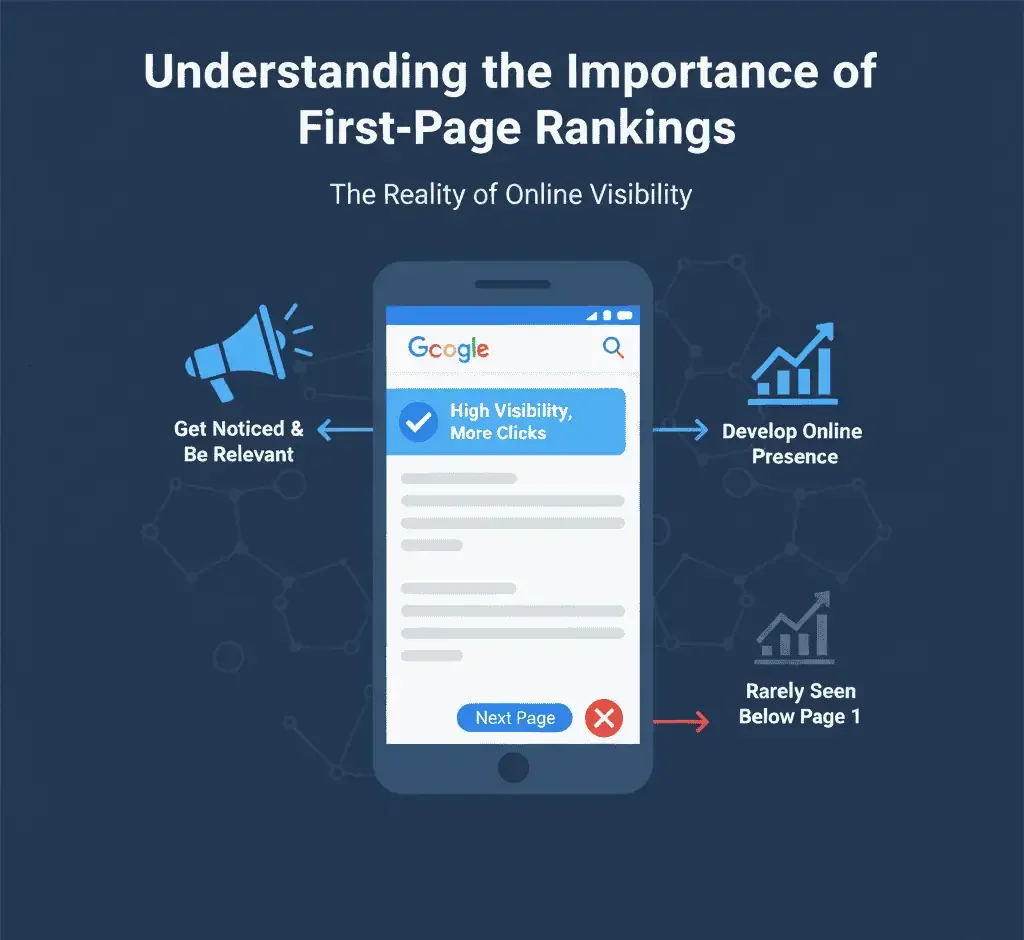
Illustration of people assembling a large web page with labeled SEO elements such as title tag, meta description, H1 and H2 headers, image alt tags, and internal links, emphasizing search engine optimization.
AI Search Optimization for Attorneys
Your Future Clients Are Asking AI — Not Just Google
AI use among legal consumers has grown dramatically — and millions of people now turn to tools like ChatGPT, Gemini, and Google AI Overviews to find legal information and attorney recommendations before they ever run a traditional search. If your firm isn’t optimized to appear in those AI-generated answers, you’re invisible to a growing segment of potential clients. Most agencies haven’t built capabilities here yet. We have. Our Generative Engine Optimization (GEO) services are designed specifically to position law firms inside AI-powered search results — an emerging channel that’s becoming harder to ignore. This isn’t a future concern. It’s happening now, and the firms that move early will hold a meaningful advantage over those that wait.

What's Included?

What Changes When Your Marketing Actually Works
Your phone rings with qualified prospects who are actively looking for the type of case you handle — not random inquiries that waste intake time.
You stop relying entirely on referrals and build a pipeline that generates new client inquiries consistently, month after month.
Your website works as a conversion tool — not just a digital business card — turning visitors into booked consultations.
You show up when potential clients search for attorneys in your practice area, including in Google AI Overviews and AI-powered search tools like ChatGPT and Gemini.
You get plain-language monthly reports that tell you what moved, what’s next, and what it means for your caseload — not a dashboard full of numbers that require a decoder ring.
You compete with larger firms in your market without needing their budget, because smart targeting beats raw spend every time.

Let’s create an SEO strategy tailored to your business goals.

How it works

1

Discovery and Strategy Call

We learn your practice areas, your market, your goals, and what's worked — or hasn't — before we recommend anything.

2

Build and Launch Your Campaigns

Recognized as one of America's fastest-growing private companies — a third-party signal that our model actually works at scale.

3

Report, Refine, and Scale

You get one person who knows your firm, your goals, and your market — not a rotating team that makes you re-explain everything each call.

Frequently asked questions

SEO for law firms typically starts showing meaningful movement between three and six months in — rankings improving, organic traffic increasing, and qualified inquiries beginning to come through. Full impact, where the compounding effect really kicks in, usually takes twelve months or more. That timeline can feel frustrating if you’re used to the immediate feedback of PPC, but the payoff is significant. Law firms that stay the course see an average three-year ROI of around 526%, and unlike paid ads, the organic visibility you build doesn’t disappear the moment you stop writing checks. We’re transparent about timelines from day one — no inflated expectations, no vague promises about quick wins.
A general agency can handle the mechanics — building links, running ads, writing content. What they often miss is the context. Legal advertising is regulated by state bar associations, and content that works fine for a plumber or a dentist can create real compliance problems for an attorney. Beyond that, legal content falls under Google’s YMYL (Your Money or Your Life) standards, which means it gets scrutinized more heavily for expertise and credibility. An agency that doesn’t understand those dynamics can actually hurt your rankings and your standing with the bar. Experience in the legal industry isn’t a bonus — it’s a baseline requirement.
Rankings and traffic are useful data points, but they’re not the finish line. The metrics that actually matter for a law firm are qualified leads — meaning inquiries from people who need the type of case you handle — cost per acquisition, and ultimately signed cases. If your agency is reporting on impressions and keyword positions but never connects those numbers to your intake volume, that’s a problem. We focus the conversation on what moves your business forward: how many people called, how many booked consultations, and what it cost to bring each one in. Everything else is context.
Legal is one of the most expensive verticals in paid search — average CPCs hover around $4.26, and competitive terms like “car accident lawyer” can reach $258 per click. That sounds alarming until you consider what a signed case is worth. A personal injury case that generates $50,000 in fees can justify a significant ad spend if the targeting is precise and the landing page converts. The key is not just driving clicks — it’s making sure the right people click, and that your website gives them a clear path to call you. Poorly managed PPC in legal burns budget fast. Done well, it fills your pipeline immediately while SEO builds in the background.
GEO stands for Generative Engine Optimization — it’s the practice of optimizing your firm’s content and online presence to appear inside AI-generated answers from tools like ChatGPT, Gemini, and Google AI Overviews. AI use among legal professionals and legal consumers has grown sharply — from 19% in 2023 to 79% in 2024. People increasingly ask AI tools questions like “who’s a good personal injury attorney” or “what should I do after a car accident” before they ever open a traditional search engine. If your firm isn’t structured to appear in those answers, you’re missing a growing segment of potential clients. Most agencies aren’t optimizing for this yet. We are.
You stop. That’s it. We don’t use long-term contracts, and we don’t lock clients in for six or twelve months before they’ve seen what we can do. We work on a week-to-week basis, which means we have to earn your continued business by actually delivering. That’s not a promotional offer — it’s how we’ve operated since 2009, across more than 550 clients. The no-contract model isn’t a risk for us because we believe in what we do. It removes the risk for you, which is exactly the point. If you’ve been burned by an agency before and are hesitant to commit again, that hesitation is reasonable — and our model is specifically designed to address it.