- Written by Hozio
- May 27, 2026
- 3 Minute Read
What's the Real Difference Between PPC and SEO
Before you can combine them, you need to understand what each one actually does.
SEO is the process of earning visibility in organic search results. You optimize your site, create content, build authority, and prove to Google that your pages deserve to rank. The payoff? Traffic that doesn’t cost you per click. The catch? It takes time—sometimes months—especially in competitive markets.
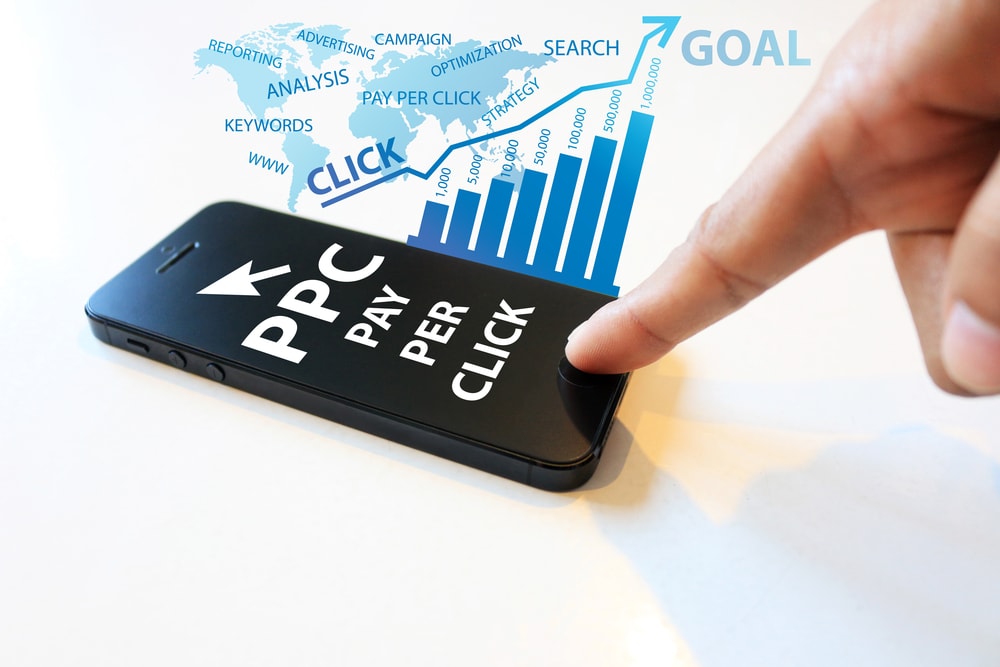
PPC is paid advertising. You bid on keywords, your ad shows up at the top of search results, and you pay every time someone clicks. The advantage? Instant visibility. Launch a campaign this afternoon and get traffic tonight. The downside? Stop paying, and the traffic stops too.
Most people see these as opposites. But they’re not. They’re complementary. PPC fills the gap while SEO builds. SEO protects you from rising ad costs. And when you run both, the data from one makes the other smarter.

Reason 1: PPC Delivers Traffic Today While SEO Builds Long-Term Value
Here’s the reality of SEO: it’s slow. Even with great content and solid technical work, breaking into the first page of Google for competitive keywords in NYC can take six months or longer. You’re competing against businesses that have been ranking for years.
That’s where PPC changes the game.
You can launch a Google Ads campaign today and start driving qualified traffic by tonight. You’re not waiting for rankings. You’re buying your spot at the top of the page, targeting the exact searches your customers are making, and showing up right when they’re ready to take action.
But PPC only works while you’re paying. The moment your budget runs out, the traffic disappears. And with cost-per-click rising across most industries, relying solely on paid ads isn’t sustainable for most businesses.
SEO is different. It compounds. Once you rank on page one, that visibility doesn’t vanish overnight. You earn clicks without paying for each one. Over time, SEO becomes one of the most cost-effective lead generation channels because the traffic keeps flowing even when you’re not actively spending.
The hybrid strategy gives you both. Use PPC to generate revenue immediately while your SEO builds in the background. As your organic rankings improve, you can reduce ad spend on those keywords and reallocate budget to new opportunities. You’re not choosing between quick wins and sustainable growth. You’re building a system that delivers both.
In a market as competitive as Long Island and NYC, that’s not optional. Your competitors are already running ads. If they’re also ranking organically, they’re occupying more real estate on the search results page. If you’re only doing one, you’re handing them an advantage.
Looking for ways to improve your customer growth?
Reason 2: Showing Up in Paid and Organic Results Builds Instant Credibility
When someone searches for a service, they don’t just click the first result. They scan. They compare. They look for signals that tell them who to trust.
If your business shows up once—either in the ads or the organic listings—you get one chance at their attention. But if you appear in both? You’re everywhere.
You’re at the top in the paid section. You’re in the organic results below. Maybe you’re even in the local map pack if your Google Business Profile is optimized. That kind of visibility does two things.
First, it increases the odds someone clicks. Research shows that appearing in both paid and organic results improves overall click-through rates because you’re taking up more space on the page. You’re harder to ignore.
Second, it builds trust. When people see your brand multiple times in the same search, it signals authority. It tells them you’re established, relevant, and worth considering. That perception matters, especially in industries where credibility is everything.
Think about it from the searcher’s perspective. They’re looking for an SEO agency in NYC. They see your ad at the top, your website ranking organically in position three, and your business in the map pack. What message does that send?
It says you know what you’re doing. It says you’re not some random startup. It says you’re a legitimate option.
And here’s the thing: even if they don’t click your ad, seeing it primes them to recognize your brand when they see your organic listing. That familiarity increases the likelihood they’ll click the second time. You’re not just competing for one click. You’re building brand recall across multiple touchpoints.
The businesses dominating local search results in New York aren’t relying on one channel. They’re showing up everywhere their customers are looking. They’re using PPC to control their messaging at the top of the page. They’re using SEO to build authority in the organic results. And they’re using both to create a presence that’s impossible to overlook.
If you’re only doing one, you’re leaving visibility—and revenue—on the table.
How PPC and SEO Data Work Together to Lower Your Costs
One of the biggest advantages of running PPC and SEO together isn’t the visibility. It’s the intelligence.
PPC gives you instant feedback. You see which keywords drive clicks, which ad copy resonates, and which landing pages convert. That’s valuable information for your SEO strategy because it shows you what’s working before you spend months trying to rank for those terms.
Your SEO data does the reverse. It reveals which keywords bring organic traffic, which pages hold attention, and where visitors engage most. That insight guides your PPC targeting, helping you focus ad spend on keywords and topics that are already proving their value.
When you run both, you’re not guessing. You’re making decisions based on real performance data from both sides of the funnel.
Reason 3: Test Keywords with PPC Before Committing to SEO
Here’s a common mistake: a business decides to create content targeting a specific keyword. They invest time and money into writing, designing, and optimizing the page. Then they wait. Six months later, they might start seeing rankings.
But what if that keyword doesn’t convert? What if the traffic it brings is low-quality or the search intent doesn’t match what they offer? They’ve just spent months chasing a keyword that was never going to deliver results.
PPC eliminates that risk.
Run a small test campaign targeting that keyword and get answers within days. Does it drive traffic? Do visitors take action? If yes, you’ve validated it as worth pursuing with SEO. If no, you’ve saved yourself months of wasted effort.
This is especially critical in competitive markets like NYC where ranking takes serious time and resources. You don’t want to invest six months optimizing for a term only to discover it doesn’t bring the customers you need.
PPC lets you test fast, learn fast, and double down on what works. You’re using paid traffic to de-risk your SEO investment. Once you know a keyword converts, you can confidently build content around it, knowing there’s real demand.
The reverse works too. If you’re already ranking organically for certain keywords and seeing strong engagement, those are perfect candidates for PPC campaigns. You know the traffic is there. You know the intent is right. Now amplify that visibility with paid ads and capture even more demand.
This cross-channel insight only happens when you run both strategies together. SEO alone leaves you guessing until rankings appear. PPC alone misses the long-term compounding value of organic visibility. Together, they create a feedback loop that makes both channels more effective.
Reason 4: Remarketing Recovers the 98% of Visitors Who Leave Without Converting
Most people don’t buy the first time they visit your site. They’re researching. Comparing. Not ready yet.
That’s normal buyer behavior. But here’s the problem: if you’re only relying on SEO, those visitors leave and you have no way to bring them back. They might forget about you. They might choose a competitor. The opportunity is gone.
Remarketing solves this.
It’s a PPC tactic that shows ads to people who’ve already visited your site. They found you through organic search, looked around, and left. Now, as they browse other sites, watch videos, or scroll social media, they see your ad. You’re staying visible even after they’ve moved on.
This works because these aren’t cold leads. They’ve already shown interest. They know who you are. Remarketing is the nudge they need to come back and take action.
The numbers prove it. Retargeted users convert at significantly higher rates than new visitors. And the return on ad spend for remarketing campaigns tends to outperform standard PPC because you’re targeting warm leads, not starting from scratch.
Here’s how it plays out: someone searches for “SEO agency NYC” and finds your site through organic search. They read a blog post, check your services, and leave. A few days later, they’re reading an article elsewhere and see your display ad offering a free SEO audit. That reminder brings them back, and this time they fill out the form.
Without remarketing, you lost that lead. With it, you turned a one-time visitor into a conversion. And you’re leveraging traffic your SEO already earned. You’re not paying to acquire that visitor twice—just re-engaging them at a fraction of the cost.
This is where the hybrid strategy really delivers. SEO brings the traffic. PPC remarketing makes sure it doesn’t go to waste. You’re building a complete funnel that captures attention, nurtures interest, and converts leads at every stage.
If you’re only doing SEO, you’re leaving conversions on the table. If you’re only doing PPC without remarketing, you’re paying full price for every click without maximizing the value of traffic you’ve already earned. The hybrid approach ties it all together.
Stop Choosing Between PPC and SEO—Use Both and Win
The PPC versus SEO debate is over. The real question isn’t which one is better. It’s how you use them together to build a marketing system that actually works.
PPC gives you speed. SEO gives you sustainability. PPC lets you test and learn fast. SEO builds authority that protects you from rising ad costs. Remarketing keeps your brand in front of buyers who need more time. And when you combine data from both channels, every decision gets smarter.
In NYC and Long Island, showing up once isn’t enough. You need to dominate search results—in the ads, the organic listings, and everywhere in between. That’s how you build trust, capture more clicks, and turn traffic into revenue.
If you’re ready to stop choosing between short-term wins and long-term growth, we can help. We build hybrid strategies that deliver both, with no long-term contracts and a team that’s been doing this since 2009.