Audience Segmentation Services Long Island

Target the Right People, Not Everyone
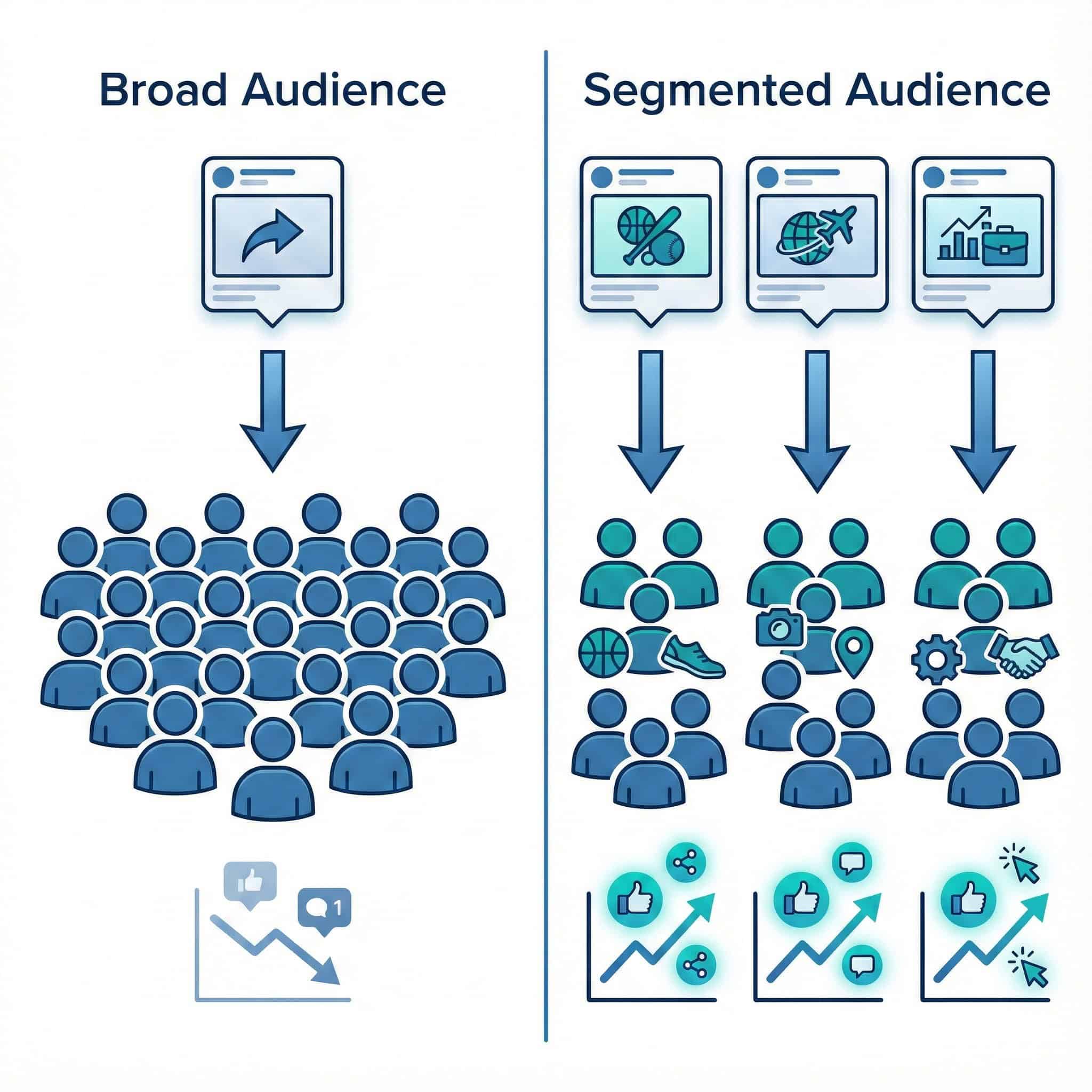
Audience segmentation guarantees that your social media approach targets the right people instead of everyone, giving you a better chance at knowing who is more likely to use your services.
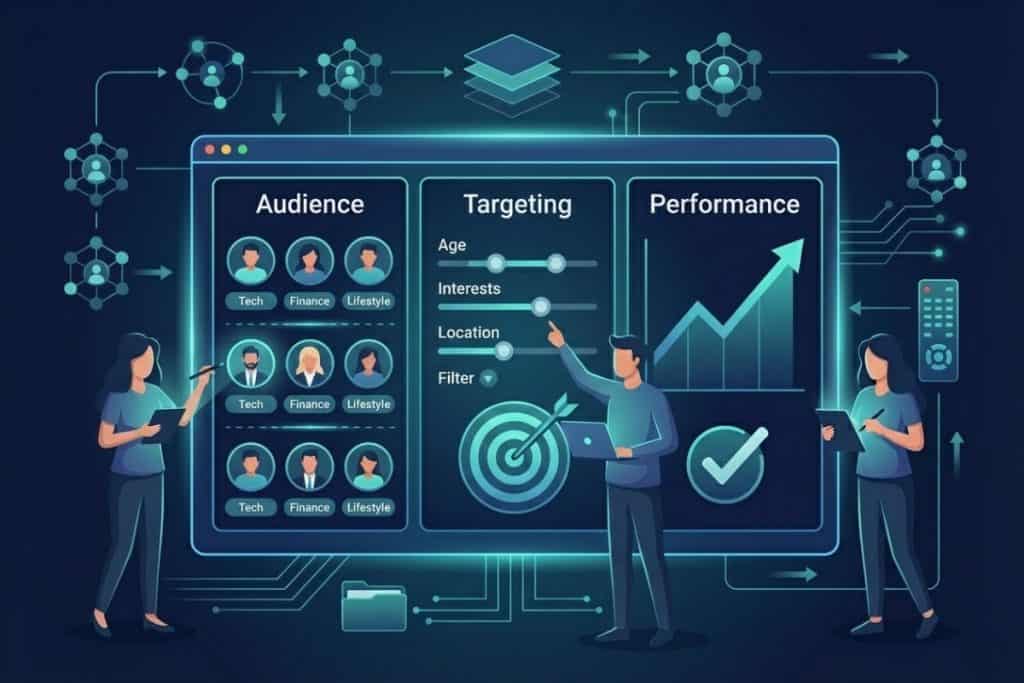
Illustration of three people analyzing audience data, targeting options, and performance metrics on a large digital dashboard, with charts, graphs, and technology icons representing data analysis and digital marketing.
Audience Segmentation Long Island

What Sets Hozio Apart

Data-Driven Targeting

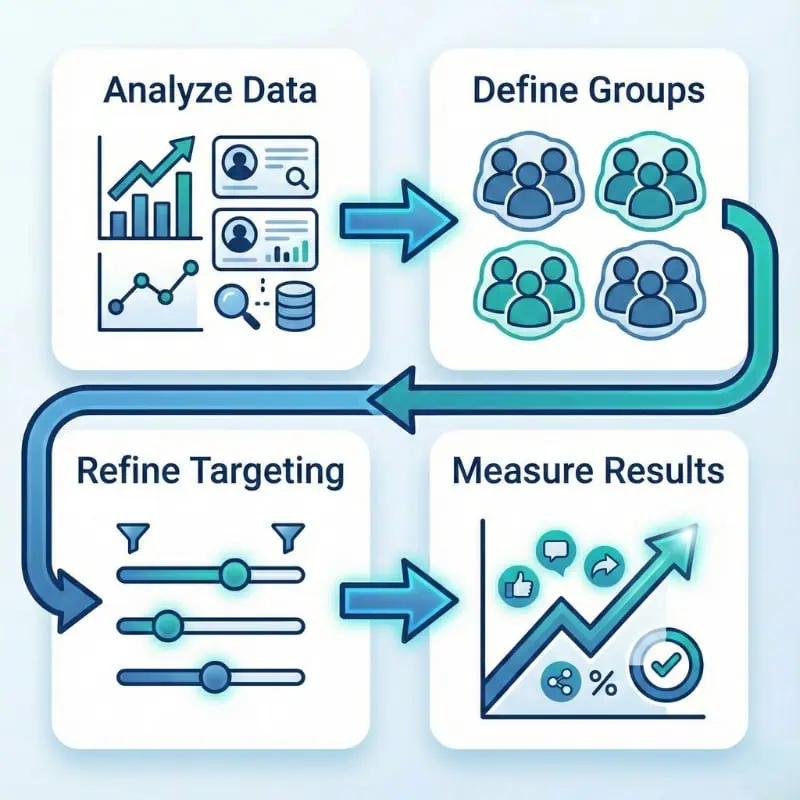
We use analytics and engagement data to identify your most valuable potential customers.

Realistic Expectations

We show you who's actually reachable, not just who you wish you could reach.

Continuous Refinement

As we learn more about your audience, we adjust targeting for better results.
Marketing Audience Analysis
Know Who Your Real Customers Are
Audience segmentation is all about determining demographics and seeing which ones best match you. Our job is to determine who in the world is most likely to fit the description of your potential client, while your job is to help people. Tell us everything about the area you are from and who you want to reach out to, and we will audience segmentation to determine if who you think you want to reach, and who is a realistic target are the same group, or if something needs to change.

If what needs to change is your expectations, we’ll show you analytics of social media engagement from different sources that help you see why a certain age group or location may not be realistic at the current moment. If what we need to do is figure out a way to broaden your appeal to those other demographics, then that is exactly what we’ll do.

Ready to Rank Higher and Grow?

Ideal Customer Profile

Understanding Your Ideal Client

Where do your best customers live? How much are they willing to spend? Are you aiming for a specific financial class or style preference? How old do you anticipate your average client to be?

These questions matter. No matter which industry you exist in, thinking about who could be a potential client helps target a prosperous marketing campaign. We dig into the details to build a profile of your ideal customer.
Four illustrated icons labeled Demographics (family icons), Location (map with pins), Interests (heart with game controller and phone), and Behavior (arrows, cursor, thumbs up), representing types of audience targeting data.
Demographic Matching
Matching Demographics to Your Business Goals
Audience segmentation is about determining demographics and seeing which ones best match you. Our job is to determine who is most likely to fit the description of your potential client, while your job is to help people.

Tell us about your area and who you want to reach. We’ll use audience segmentation to determine if who you think you want to reach and who is realistically reachable are the same group, or if adjustments are needed. If expectations need changing, we’ll show you the analytics explaining why.

What's Included?

Why Segmentation Matters
Higher engagement rates because your content reaches people who actually care.
Improved return on investment from more efficient ad spend.
More effective content strategy based on what your actual audience wants.
Better customer relationships and loyalty from relevant messaging.
Valuable data and insights that inform all your marketing decisions.
Stop wasting budget on people who will never become customers.

Let’s create an SEO strategy tailored to your business goals.

How it works

1

Data Collection

We gather information about your current customers and engagement patterns.

2

Segment Identification

We show you who's actually reachable, not just who you wish you could reach.

3

Targeted Campaigns

As we learn more about your audience, we adjust targeting for better results.

Frequently asked questions

Audience segmentation narrows your potential customers from everyone to specific groups most likely to use your services. Targeting everyone in your general area is too broad and wastes resources on people who aren’t a good fit. We identify characteristics like location, spending capacity, style preferences, and age to focus social media efforts on those genuinely likely to become clients, leading to better engagement and higher ROI.
That’s exactly what segmentation helps uncover. We use social media analytics and engagement data to compare who you think you want to reach with who is realistically reachable. If expectations need adjusting, we’ll show you data explaining why certain groups may not be viable right now. Alternatively, if there’s potential to broaden appeal to those demographics, we’ll develop strategies to help you connect.
Change won’t happen overnight. Segmentation requires thinking, planning, and testing to understand where opportunities exist. However, this thorough approach gives better understanding of how to craft targeted campaigns. Benefits like higher engagement rates, improved ROI, more effective content strategy, and better customer relationships make the investment worthwhile as your marketing becomes more focused.
Segmentation ensures you’re not spending time and resources on people who will be dead ends for your business. Instead of being just another post people scroll past, your content reaches the right audience who are genuinely interested. By targeting segments most likely to convert, your ad spend becomes more effective and your social media presence creates real impact rather than getting lost in the noise.
Yes, and that’s normal. As your business grows, market conditions change, or you expand services, your ideal audience may shift. We continuously monitor performance and adjust segmentation based on what the data shows. The goal is always to reach the people most likely to become customers.
Absolutely. Part of segmentation is identifying untapped opportunities. If there’s potential to reach demographics you haven’t connected with, we’ll develop strategies to expand your reach. Sometimes the best growth comes from audiences you hadn’t considered.